Wine Glass Types: Choosing the Perfect Glass for Every Wine
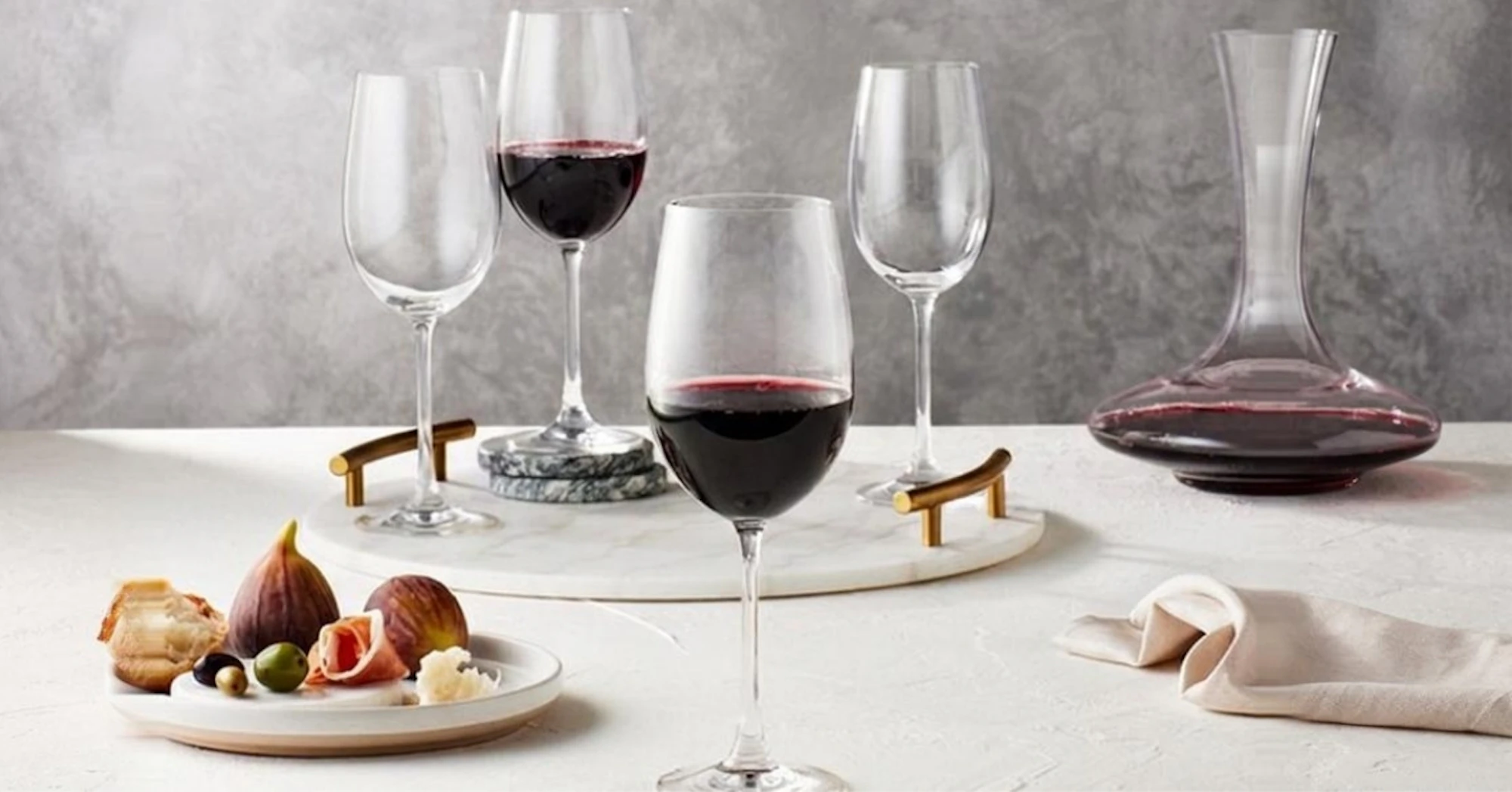
Wine glass types can look confusingly similar until you know what each shape is actually doing. The right bowl can change how aromas reach your nose, how quickly wine warms and how much air reaches the surface. Our wine glasses collection covers the useful options without making your glassware cupboard feel like a tasting room.
Why Wine Glass Shape Actually Changes How Wine Tastes
The shape of a wine glass affects how aromas gather, how much oxygen reaches the wine and where the wine lands as you sip. A wide bowl gives fuller reds more surface area to breathe and room to swirl. A narrower bowl helps white wine stay cooler while concentrating its fresh aromas, while a tall flute slows the escape of bubbles from sparkling wine.
There’s a visual benefit, too. Clear, well-shaped glassware lets you appreciate a wine’s colour and clarity. You don’t need a different glass for every bottle, but choosing the right general shape can make a good wine more expressive.
Anatomy of a Wine Glass
Before we jump into the different types of wine glasses and how to choose the perfect glass type, it’s important to break down the anatomy of a wine glass, as each part has a unique purpose to the overall wine-tasting experience.
- Base/Foot: Ensures the glass stands stable.
- Stem: Connects the base to the bowl and provides a place to hold without warming the wine. If a glass does not have a stem, then it is referred to as a stemless glass.
- Bowl: This is the rounded bottom of the glass to the widest point–usually the middle of the glass. The bowl is the most crucial part, as the size, shape and depth of the bowl will affect the overall taste of the wine.
What Type of Wine Glass Should I Get?
The easiest way to choose is to start with the style of wine you drink most often.
Bordeaux
Best for: Cabernet Sauvignon, Merlot, Malbec, Shiraz
Bowl shape: Tall with a broad bowl
Burgundy
Best for: Pinot Noir, Grenache, Sangiovese, lighter Shiraz
Bowl shape: Wide, rounded bowl
Chardonnay
Best for: Chardonnay, Viognier, Marsanne, Semillon
Bowl shape: Generous white-wine bowl
Sauvignon Blanc
Best for: Sauvignon Blanc, Riesling, Gewurztraminer, Pinot Gris
Bowl shape: Narrower, upright bowl
Sparkling flute
Best for: Champagne, Prosecco, Cava, sparkling rosé
Bowl shape: Tall and narrow
Sparkling tulip
Best for: Vintage Champagne and complex sparkling wines
Bowl shape: Narrow rim with wider middle
Dessert/Port
Best for: Port, Sherry, Sauternes-style dessert wine
Bowl shape: Small, compact bowl
What Are the Different Types of Wine Glasses?
Red Wine Glasses
Red wine glasses generally have larger bowls because most reds benefit from greater contact with air.
Bordeaux Glass: Tall with a broad bowl, this shape gives structured, full-bodied reds room to open up while directing their aromas upwards.
Best matches: Cabernet Sauvignon, Merlot, Malbec, Shiraz and Tempranillo.
Burgundy Glass: Wider and rounder than a Bordeaux glass, it gives more delicate, aromatic reds plenty of surface area without losing their finer aromas.
Best matches: Pinot Noir, Grenache, Sangiovese and lighter-bodied Australian Shiraz.
White Wine Glasses
White wine glasses tend to have smaller or narrower bowls, helping wine retain its cooler serving temperature and concentrate delicate aromas.
Chardonnay Glass: A slightly larger bowl suits fuller, richer whites that benefit from some air.
Best matches: Chardonnay, Viognier, Marsanne and Semillon.
Sauvignon Blanc Glass: A narrower bowl keeps crisp whites cool while gathering their fresh, aromatic notes near the rim.
Best matches: Sauvignon Blanc, Riesling, Gewurztraminer, Pinot Gris and Rosé.
Sparkling Wine Glasses
A classic flute has a tall, narrow shape that helps preserve carbonation, making it a practical choice for Champagne, Prosecco and other lively sparkling wines.
A tulip glass widens through the middle before narrowing at the rim. That extra bowl space gives more complex or aged Champagne room to develop without sacrificing bubbles.
Explore Champagne and sparkling wine glasses if bubbles regularly make an appearance at your table.
Dessert Wine Glasses
Dessert wine glasses are deliberately smaller because these wines are generally richer and served in smaller quantities.
A Port glass has a compact bowl that concentrates sweet, complex aromas while keeping the serving manageable. The same style can work well for Sherry and rich botrytis-affected wines such as Sauternes.
Stem vs. Stemless
Between stem and stemless wine glasses, other than the aesthetics, there are a few differences that can affect the way wines look, taste and respond outside the bottle.
Stemmed Glasses
- Functionality: The stem allows you to hold the glass without warming the wine.
- Cleaning: Generally easier to clean as they can be placed in a dishwasher without risk of tipping over.
Stemless Glasses
- Stability: More stable on flat surfaces and less likely to tip over.
- Temperature: Holding the bowl can warm the wine, which might not be ideal for all types of wine.
Crystal vs. Other Materials
- Crystal: Typically offers a finer rim and more elegance but can be more fragile and expensive.
- Glass: More durable and affordable but may not offer the same sensory experience as crystal.
How Much Wine to Pour
A general rule of thumb is to pour about 150 ml (5 ounces) per glass, filling the broadest part of the bowl for proper aeration. Some glasses come with marking indicators to help you pour the right amount.
Swirling, Serving and Choosing the Right Glass for the Occasion
Swirling introduces oxygen to the wine and helps release aroma, which is why those generous red-wine bowls aren't just for looks. Place the glass on the table, hold the stem or base and gently move it in small circles if you're nervous about sending Shiraz across the room.
For an easy dinner with friends, one versatile wine glass or a practical stemless style can be perfectly appropriate. A more formal dinner may call for separate red and white glasses, especially when different wines accompany different courses. Our guide to hosting a successful dinner party can help with the bigger picture, while mastering the art of table setting covers where those glasses actually go.
Serving wine with snacks instead? Build the spread with our charcuterie and cheese board guide.
The right wine glass can significantly enhance your wine-tasting experience by affecting the wine's aroma, taste, and overall enjoyment. At Robins Kitchen, we believe that understanding these nuances can help you make the most of every sip. So next time you pour a glass of your favourite wine, consider the shape and material of your glass—it truly makes a difference.
Ready to elevate your wine experience? Visit Robins Kitchen to explore our curated selection of wine glasses and other essential kitchenware.